
Understanding the Different Types of Eco Friendly Packaging Materials
Choosing the right packaging is no longer just about protecting products during shipping. Many businesses now want packaging materials that are practical, cost-effective and better aligned with sustainability goals. For eCommerce stores, warehouses, retailers and offices, understanding the different types of Eco Friendly Packaging Materials can help when choosing the right packing supplies for everyday use.
Recycled Paper Packaging
Recycled Paper Packaging is a popular option for wrapping, cushioning and filling space inside cartons. It is lightweight, easy to use and suitable for many non-fragile or moderately fragile products. Businesses often use recycled paper for product wrapping, interleaving, void fill and simple protective packaging.
This type of packaging works well for brands wanting a natural, minimal presentation. However, delicate or breakable items may still need extra cushioning, such as padded mailers, bubble wrap or foam protection.
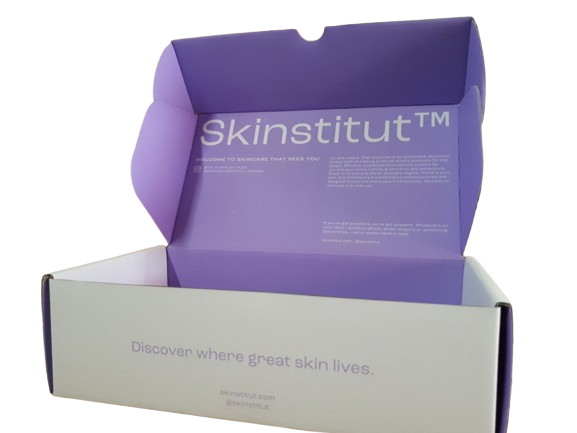
Cardboard Boxes and Cartons
Cardboard boxes are among the most widely used eco-friendly packaging materials for shipping, storage, and handling. They provide structure, protection and stackability, making them suitable for eCommerce orders, warehouse dispatch and office supplies.
Choosing the right carton size is important. Oversized boxes often require more void fill and take up extra shipping space. Using properly sized cardboard boxes can reduce waste, improve packing efficiency and help protect goods in transit.
Compostable Packaging
Compostable packaging is designed to break down under specific composting conditions. It may be used for selected mailers, bags, food packaging and protective packaging products. Some compostable packaging requires commercial composting, while other types may be suitable for home composting.
Businesses should always check supplier information before using compostable packaging claims. Clear disposal instructions help customers understand whether the packaging should go into compost, recycling or general waste.
Biodegradable Packaging
Biodegradable packaging is often confused with compostable packaging, but they are not the same. Biodegradable Materials can break down over time through natural processes, but the timeframe and conditions can vary.
For this reason, businesses should be careful when choosing biodegradable packaging materials. A product may be described as biodegradable, but still requires specific conditions to break down properly. It is best to use clear, accurate wording when describing these products to customers.
Recyclable Plastic Packaging
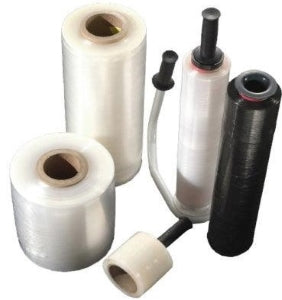
Plastic packaging can still be useful when products need moisture resistance, flexibility or strong protection. Some plastic packaging is recyclable, depending on the type of plastic and local recycling systems.
Recyclable plastic bags, films, tapes and protective materials may be suitable when paper-based options are not practical. The key is to avoid unnecessary layers and choose packaging that suits the product, shipping method and disposal pathway.
Reusable Packaging
Reusable packaging is designed to be used more than once. This may include 'returnable mailers, crates, pallets, storage tubs or durable delivery packaging'. Reusable packaging can work well for businesses with repeat customers, local delivery systems or internal stock movement.
To be effective, reusable packaging needs a clear process. Customers or staff should understand how to return, reuse or store the packaging.
Choosing the Right Packing Supplies
The best eco-friendly packaging materials are practical, protective and easy to dispose of responsibly. Before choosing packing supplies, consider the product size, fragility, shipping method, storage needs and customer disposal options.
AusPackaging offers a wide range of packing supplies and packaging materials for Australian businesses, including mailers, tapes, strapping, labels and warehouse packaging products. By choosing the right packaging for each job, businesses can protect their products while making more informed packaging decisions.