
How to Reduce Product Damage during Shipping
Product damage during shipping can cost businesses time, money and customer trust. Whether you run an eCommerce store, warehouse, retail business or dispatch operation, choosing the right packaging materials is one of the most effective ways to protect goods in transit. With the right packing supplies and process, you can reduce breakages, returns and customer complaints.
Choose the Right Box Size
One of the most common causes of product damage is using a box that is too large or too small. If a box is too large, the product can move around during transport. If it is too small, the item may be compressed or exposed to impact.
Choose a carton that allows enough room for protective packaging around the product. The item should fit securely without excessive space. For fragile goods, allow space for cushioning on all sides, including the top and bottom.
Use Protective Packaging Materials
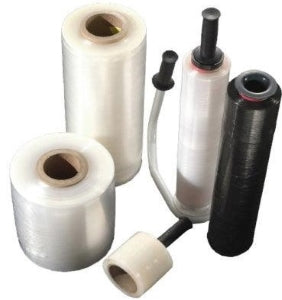
Protective packaging helps absorb shock, reduce movement and prevent scratches or breakage. Bubble wrap, foam padding, paper wrapping, cardboard inserts and padded mailers can all help protect products during shipping.
Fragile items should be wrapped individually before being placed inside a box. If you are shipping multiple items together, separate them with protective layers so they do not hit each other during transit. AusPackaging supplies packing materials such as bubble wrap, cardboard boxes, mailers, tapes, labels, strapping and warehouse supplies for shipping and storage needs.
Fill Empty Space Properly
Space inside a parcel increases the risk of damage. Products can shift during handling, especially when parcels are stacked, dropped or moved through courier networks.
Use void fill to keep the product stable inside the box. Paper fill, bubble wrap, foam or other cushioning materials can help prevent movement. After packing, gently shake the box. If you can feel or hear the product moving, add more protection before sealing it.
Seal Parcels Securely
A strong box is only effective if it is sealed properly. Poor sealing can cause cartons to open during transit, exposing products to damage or loss.
Use quality packing tape across the main opening and reinforce the edges if the parcel is heavy. For larger or heavier shipments, strapping may provide extra support. Make sure the tape sticks firmly to the carton surface and does not lift at the corners.
Label Fragile Items Clearly
Clear labelling helps couriers and warehouse teams identify parcels that require careful handling. Use labels such as “Fragile”, “This Way Up” or “Handle with Care” where appropriate.
While labels do not replace protective packaging, they add another layer of communication. Fragile items should still be packed to withstand normal handling during shipping.
Consider Product Weight and Shape
Heavy, sharp, irregular or delicate products need extra attention. Heavy items should be packed in strong cartons and may need reinforced tape or strapping. Sharp items should be wrapped securely to prevent puncturing the packaging. Odd-shaped items may need custom cushioning or extra internal support.
Review Your Shipping Process
Reducing product damage is not only about materials. It also depends on consistent packing procedures. Train staff to choose the right box, wrap items correctly, use enough void fill and seal parcels properly.
Order Reliable Packing Supplies
Using quality packaging materials helps protect products and improve customer experience. AusPackaging offers Online Packing Supplies in Australia for businesses that need practical solutions for shipping, storage and dispatch. By choosing the right packaging for each product, you can reduce damage and deliver orders with greater confidence.